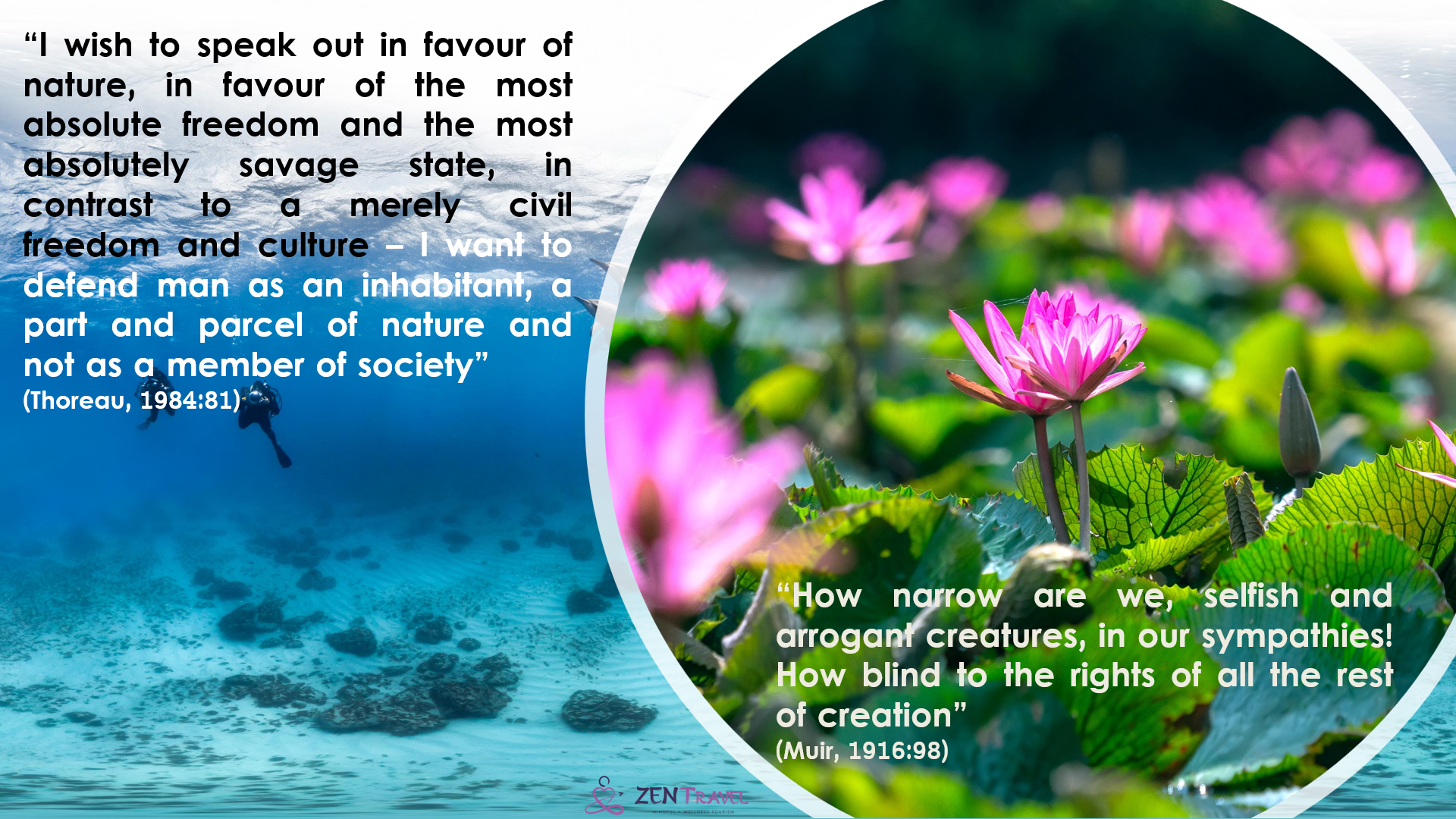
Ecotourism was born in opposition to mass tourism, as a segment aimed at conserving the natural and cultural heritage, biodiversity, and socio-diversity, applying an ecocentric conscience with values and ethics. "It is a sustainable, non-invasive way, based on nature, learning and conservation of the areas" (Fennel, 2008:24).
Ecotourism is based on three main criteria (UNEP/WTO, 2002; Weaver, 2005):
- based on nature
- focused on the development of learning through the natural and cultural environment
- maximise environmental and sociocultural sustainability, with practical benefits for indigenous communities
The International Ecotourism Society (TIES) (2010) asserts there are six main principles to follow:
- Minimise impact
- Build environmental and cultural awareness and respect
- Provide positive experiences for visitors and hosts
- Provide direct financial benefits for conservation
- Provide financial benefits and empowerment for local people
- Raise sensitivity to hosts' cultures, political, environmental, and social climate
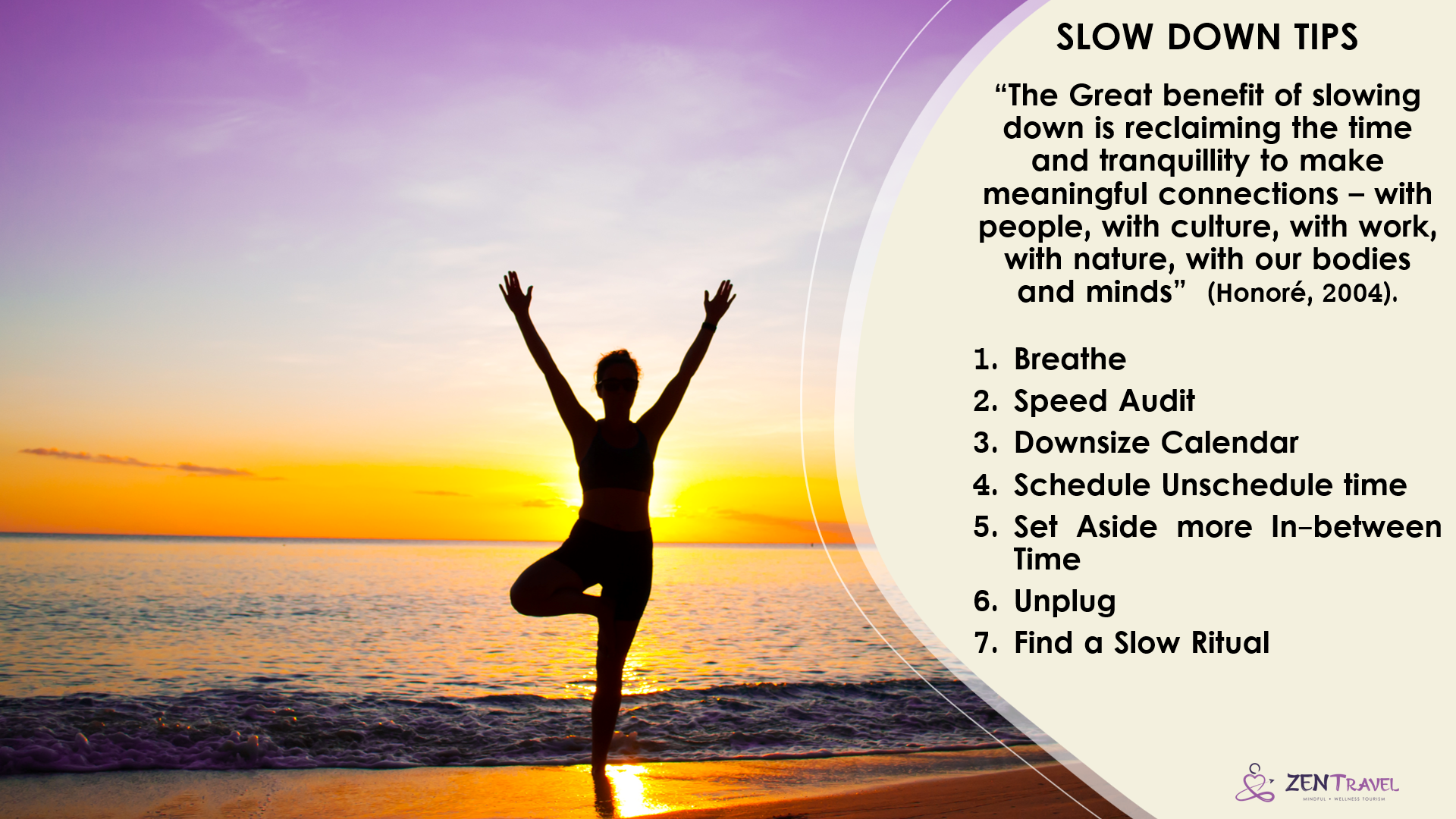
Slow Tourism, another segment and type of tourism, is closely linked to ecotourism, yet is different, with its own unique characteristics. It appears to be in opposition to fast forms of living, tasting, and feeling. It is a sustainable form of travel with a focus on local communities, education, and the environment, creating a connection for the traveller.
It is a mindset of simplicity and tastefulness, fewer but more meaningful travel experiences, a preference for quality over quantity, fewer schedules, and fewer standard itineraries.
1 - Azores Island - Ki: Reconnection & Harmony
Prices: on request (zentravel@ravt.pt) Duration: 4 or 7 Days Nº Participants: Mín. 1 Max. 20 Pick up: Airport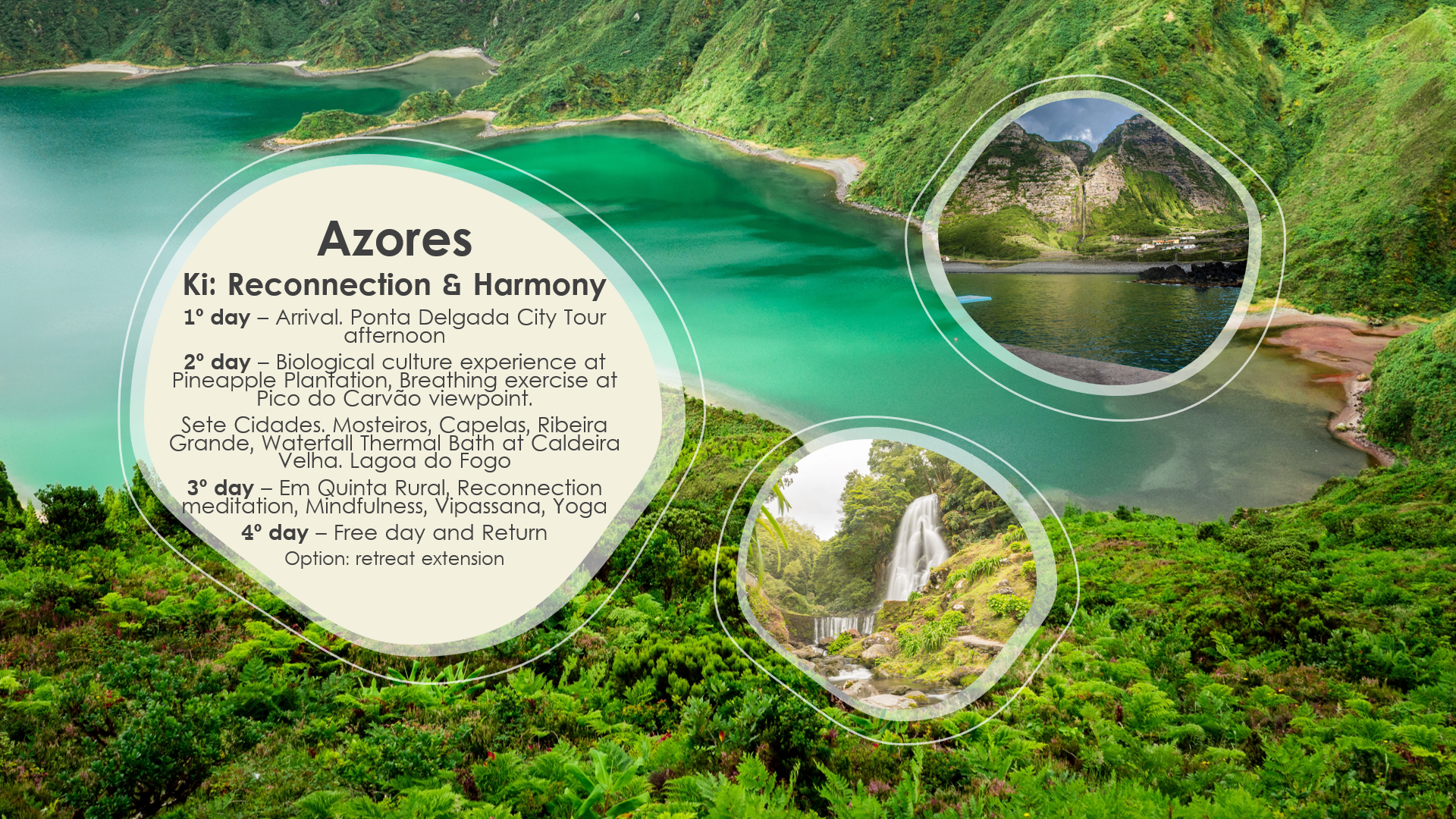
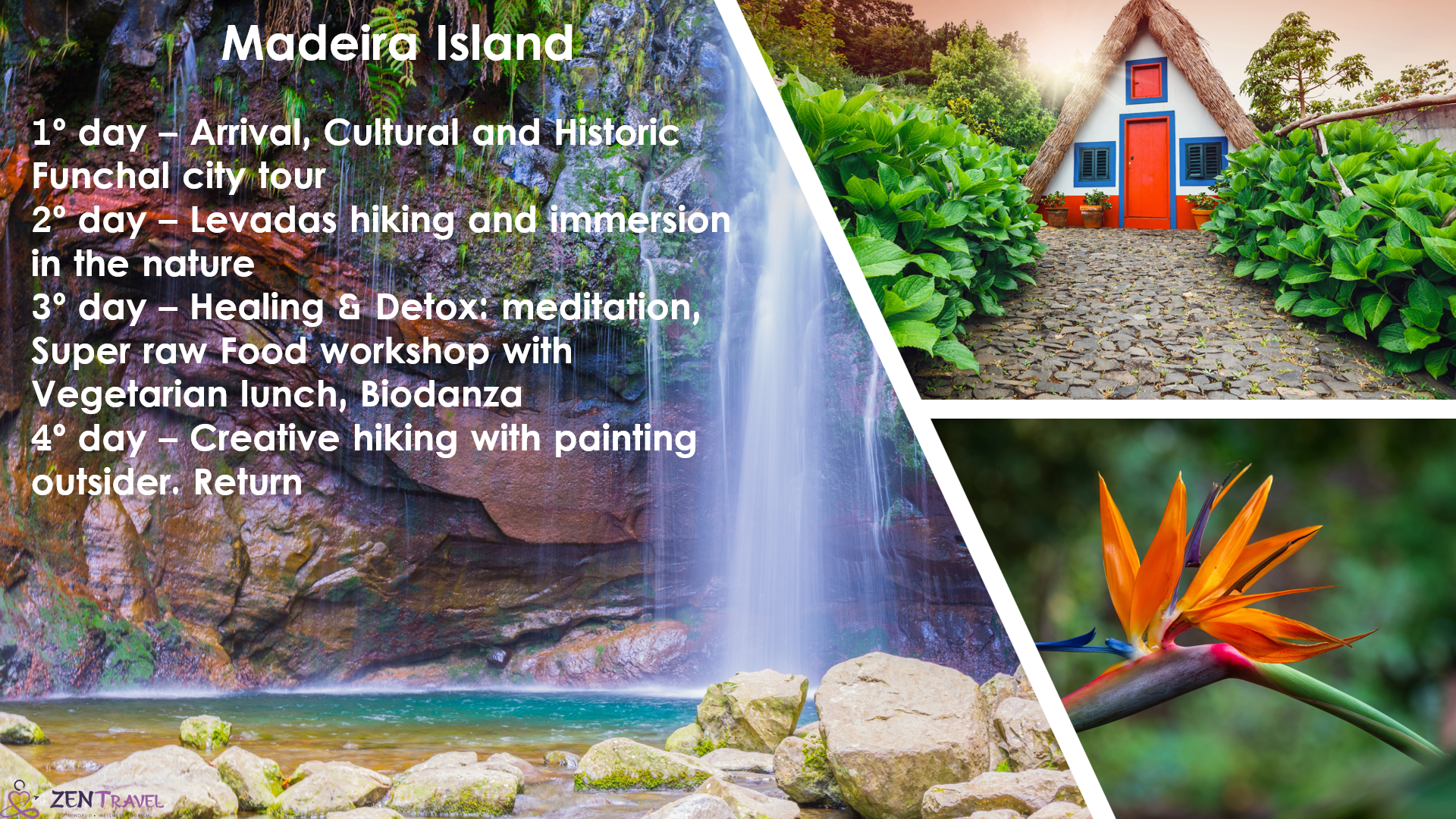
2 - Madeira Island - Healing & Detox
Prices: on request (zentravel@ravt.pt) Duration: 4 or 7 Days Nº Participants: Mín. 1 Max. 20 Pick up: Airport